You’ve built a successful coaching or consulting business, but you’ve hit a ceiling. Your income is capped by the number of hours you can personally bill, and you’re trapped in a cycle of trading time for money. Every client needs YOU, and your calendar is a nightmare of back-to-back calls. This isn’t just exhaustion—it’s a structural problem with your business model. It’s time to transition away from the 1:1 service model before burnout forces your hand.
The Compelling Case for Shifting Away from Direct Service
The direct service model is a trap disguised as success. Sure, you’re making good money now, but at what cost? Let’s examine why this model is fundamentally broken for coaches and consultants who want true freedom and scalability.
The Direct Service Problem
- Your income is directly tied to your time—miss a day, miss the pay
- You’ve created a job, not a business—it can’t run without you
- Your business has minimal sellable value—it’s just you
- Client results depend entirely on your personal delivery
- You’re constantly living in reaction mode, not strategic mode
The Scalable Business Vision
- Revenue grows independently of your time investment
- Business operates smoothly even when you’re not working
- Your company has significant market value beyond your skills
- Client results come from your systems, not just your presence
- You function as the visionary, not the delivery person
The shift from direct service provider to business owner isn’t just about making more money—it’s about creating a sustainable asset that works for you instead of you working for it. This transition requires a fundamental rethinking of how you deliver value to clients.
The 5-Step Framework to Stop Giving Direct Service
Transitioning away from direct service isn’t about abandoning your expertise—it’s about leveraging it differently. The following framework will guide you through systematically extracting yourself from being the sole delivery person in your business while maintaining or even improving client results.
Ready to Break Free from the Direct Service Trap?
If you’re tired of being the bottleneck in your own business, let’s talk strategy. I help coaches and consultants build systems that scale without sacrificing quality.
Step 1: Audit & Systematize Your Direct Service
Before you can extract yourself from direct service, you need to understand exactly what you do and how you do it. This audit phase creates the foundation for everything that follows.
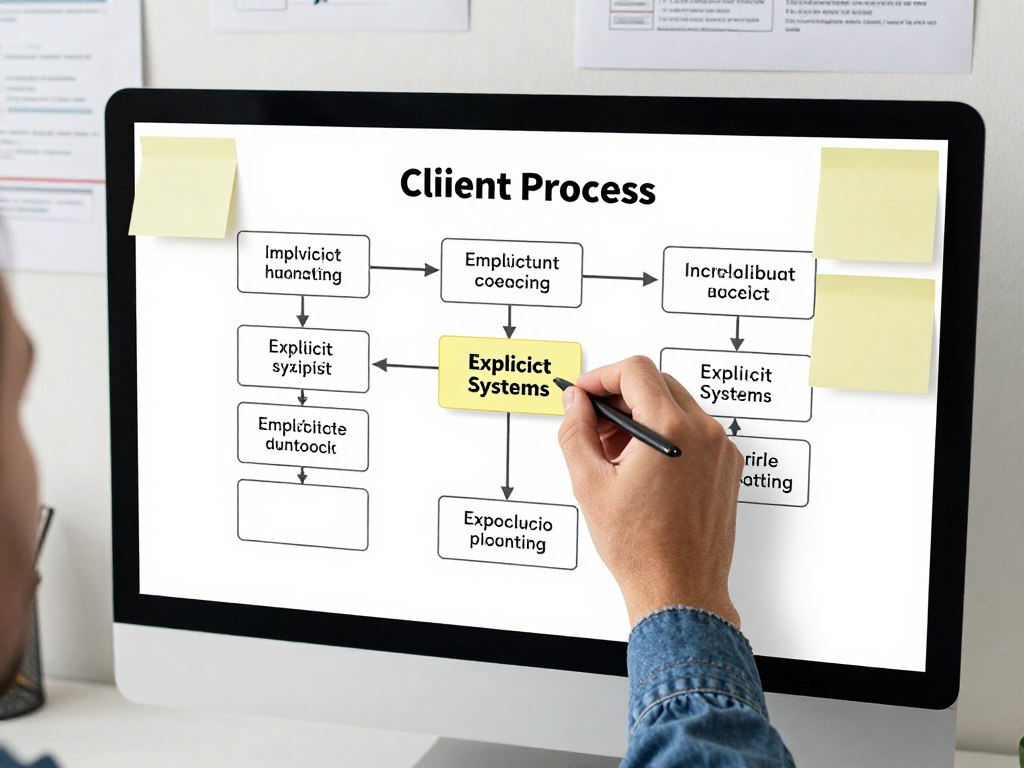
Document Everything You Do
- Record your next 3-5 client sessions (with permission) to analyze your approach
- Map out your entire client journey from initial contact to completion
- Identify which parts of your service create the most value for clients
- Document your key frameworks, methodologies, and processes
- Create templates for repeatable aspects of your work (assessments, exercises, etc.)
Instead of personally managing every client onboarding, create a video and checklist for your VA to handle the first 80% of the process.
The goal isn’t just documentation—it’s creating assets that can eventually be operated by someone other than you. Your intellectual property must exist outside your head if you want to scale beyond yourself.
Step 2: Build a Team & Delegate
Once you’ve documented your processes, it’s time to bring in others to handle parts of your service delivery. This doesn’t mean hiring another coach or consultant immediately—start with support roles.

Your First Critical Hires
Client Success Manager
This person handles all client communications, scheduling, and basic support questions. They become the main point of contact, freeing you from administrative tasks and basic client management.
Virtual Assistant
Start with 5-10 hours weekly for someone to handle your calendar, email management, and basic content repurposing. This immediately reclaims hours of your time for higher-value activities.
What to Delegate First
- Client onboarding and setup processes
- Scheduling and calendar management
- Basic content creation and repurposing
- Data gathering and initial assessments
- Follow-up communications and check-ins
The key is to start with tasks that are well-documented and relatively low-risk. As your team proves themselves, gradually increase their responsibilities until they’re handling significant portions of your service delivery.
Step 3: Productize Your Genius
This is where the real transformation happens. Instead of delivering all your expertise through 1:1 interactions, you’ll package it into scalable formats that can serve multiple clients simultaneously or generate revenue without your direct involvement.
Three Ways to Productize Your Expertise
Group Coaching/Consulting
Package your 1:1 work into a structured group program where you serve 5-10 clients simultaneously. This immediately multiplies your impact and income per hour spent.
Example: A 12-week group program with weekly teaching calls, implementation sessions, and a private community.
Digital Course or Program
Systematize your core methodology into a self-paced course or hybrid program with community support and group coaching calls.
Example: Your signature framework broken into 6 modules with video lessons, worksheets, and monthly Q&A calls.
Licensing Your Framework
Create a certification program for other coaches or consultants to use your methodology with their clients, generating passive income through licensing fees.
Example: A certification program that trains others in your approach and allows them to use your materials for a fee.
Pro Tip: Start with a hybrid model that combines some direct service with productized offerings. This creates a smoother transition for both you and your clients while you build confidence in your new delivery methods.
Step 4: Build Systems & Automation
With your team in place and your offerings productized, it’s time to create the operational infrastructure that will allow your business to run without your constant involvement.
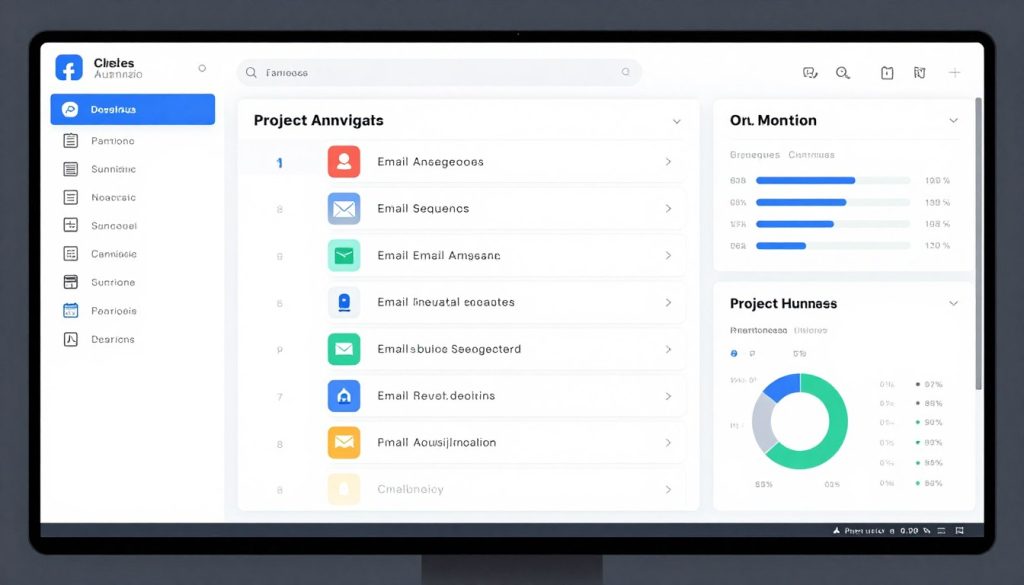
Essential Systems to Implement
Client Management
- CRM system to track all client interactions
- Automated onboarding sequences
- Client portal for resources and communication
- Feedback and results tracking mechanisms
Business Operations
- Project management tool for team coordination
- Email automation for marketing and client communication
- Payment processing and financial tracking
- Content management and distribution system
The goal is to create a business that operates like a well-oiled machine, with clear processes for every aspect of client acquisition, service delivery, and retention. This doesn’t happen overnight, but each system you implement reduces your personal involvement in day-to-day operations.
Step 5: Shift Your Role from Doer to Leader
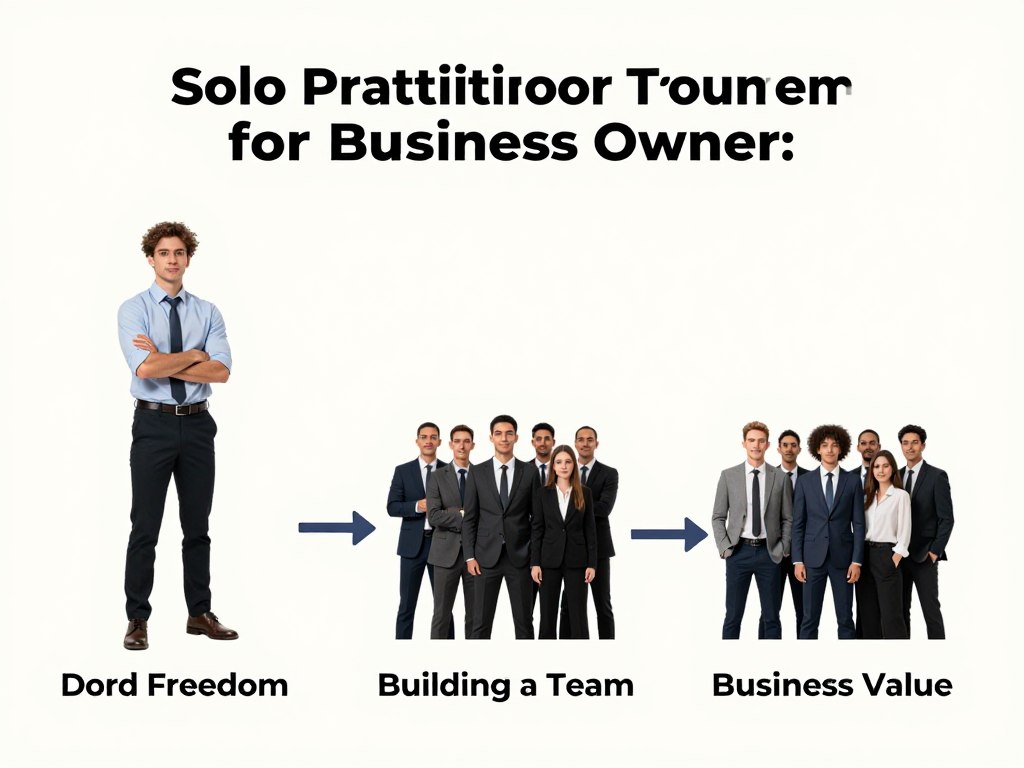
The final step is perhaps the most challenging—redefining your role within your business. You’re no longer the primary service provider; you’re the visionary, strategist, and leader.

Your New Responsibilities
- Setting the strategic direction for your business
- Developing new intellectual property and methodologies
- Building strategic partnerships and relationships
- Mentoring your team to deliver excellent results
- High-level oversight of client success metrics
The hardest part isn’t creating systems—it’s trusting them enough to step back and let them work without your constant intervention.
This transition requires both practical changes and psychological shifts. Many coaches and consultants struggle with letting go of direct client work because it’s where they’ve built their identity and confidence. Recognize that your highest value now comes from leading the business, not from doing all the work yourself.
Breaking Free from Direct Service: Your Next Steps
Transitioning away from direct service isn’t just about working less—it’s about creating a business with greater impact, value, and sustainability. The 5-step framework outlined here provides a roadmap, but implementation requires commitment and courage.
Start by auditing your last 10 client engagements. What patterns can you systematize? Which parts of your service create the most value? Where are you spending time that doesn’t leverage your unique expertise? This analysis will reveal your first opportunities to begin the transition.
Remember that this isn’t an overnight transformation. Many successful coaches and consultants take 12-24 months to fully transition from direct service to a scalable model. The key is to start the process now, before burnout or plateaued income forces your hand.
Ready to Build a Business That Works Without You?
I help coaches and consultants transform their expertise into scalable, systematized businesses that generate more Crevenue with less personal delivery. Let’s create your transition plan together.

Frequently Asked Questions About Stopping Direct Service
Won’t my clients be disappointed if I’m not personally delivering the service?
When done correctly, most clients care more about results than who delivers them. The key is to maintain quality through excellent systems and team training. Many clients actually prefer a team approach that gives them access to more resources and support than a single provider can offer.
How do I know which parts of my service I should stop delivering personally?
Start by identifying the 20% of your work that creates 80% of the client value. Keep those elements for yourself initially, while delegating or systematizing the rest. Over time, you can train others to deliver even your highest-value components through careful documentation and mentoring.
Will I make less money during this transition?
There may be a temporary dip in profitability as you invest in systems and team members. However, most coaches and consultants who successfully make this transition ultimately increase their revenue significantly while decreasing their personal delivery time. The key is to implement changes gradually while maintaining your current revenue streams.